A garden that is productive doesn’t necessarily begin with expensive equipment or a beautifully designed property. It is usually someone who plants a few seeds and pay attention to the results. This will help them make better decisions the following season.
That practical approach is central to The Sproutstead, an informational resource created for people who want to grow food and improve their soil, save what they’ve harvested and develop useful self-sufficiency skills without being buried in technical terms.
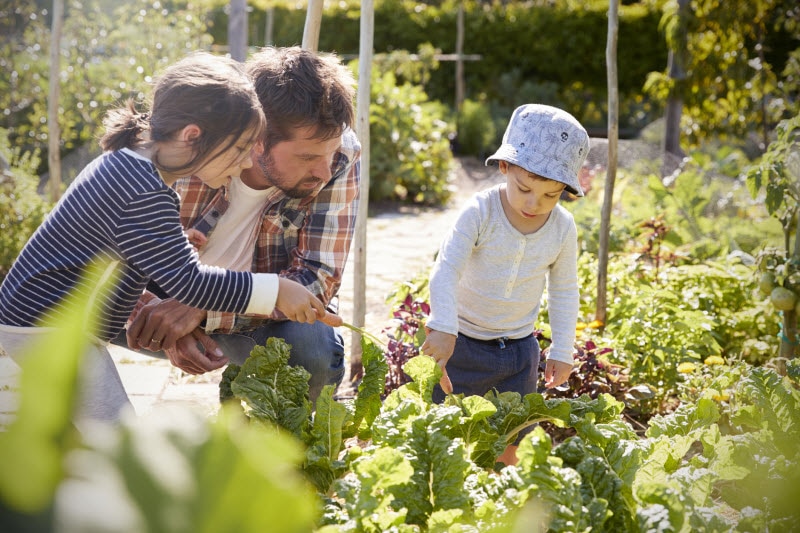
Your garden’s conditions are unique
The fact that gardens aren’t interchangeable is just one of the reasons gardening tips can be confusing. The same tomato variety planted in a raised beds with sunlight in one region could perform differently than the same tomato variety grown in the dense, rocky soil in another region.
Successful gardening and homesteading therefore involves more than following instructions. Understanding your specific conditions is vital for gardeners. This includes sunlight, soil, temperature, rainfall, the growing season, your available space and how much time you are able to dedicate to maintenance.
The Sproutstead explains the variables to enable readers to modify gardening tips to a typical home instead of trying to replicate someone’s ideal set-up.
Under the surface, vegetable gardening starts
Naturally, people pay more attention to plants that they can observe. However, the success of any gardening endeavor is largely determined underground.
The right balance between drainage, moisture retention (retention of water) and nutrients as well as organic matter is important for healthy soil. Composting is a great way to improve soil while mulching conserves the moisture and reduces weeds. Attention to these basic principles can help you grow vegetables more easily because healthy growing conditions offer plants a better foundation from the start.
Planning is essential as well. How well a gardener is able to make the most of a small space is dependent on the plant spacing and timing of the crop, companion plants, and seasonal succession.
Tomatillos Teach Us to Pay Attention
You’re likely to hear ten distinct stories from 10 gardeners if you inquire about tomatoes. These are among the most popular garden crops and show how different conditions for growing can collaborate.
When researching tomato farming, it is important to think beyond the depth of planting and fertilizer schedules. Tomatoes require adequate sunshine, continuous irrigation, a suitable soil with the right spacing and support when they mature. Selection of varieties is important too because growing conditions, available space, and the purpose for which they are used can determine which variety is best for you.
It might not be feasible to solve the issue simply by increasing the amount of fertilizer. Excess nitrogen, temperature, insufficient sunlight, or pollination issues could be at play. Observing the whole plant provides better information than treating every symptom the same way.
Harvesting is just one part of the story
The process of growing twenty pounds of vegetables is less satisfying when half of them are rotten before being eaten. When you’re planning a garden at home, it’s important to consider what happens after harvest.
Canning and freezing, dehydrating, sharing excess produce and conserving seeds are all ways to aid families in getting the most out of their garden. Backyard chickens, herbs fruits trees, and composting are all possible parts of the same system.
It’s not necessary to implement every homesteading technique at once. It is important to progress on homesteading whether it’s growing lettuce, building an organic compost pile, or preserving the first tomatoes you harvest.
Practical Knowledge Builds Better Gardeners
Even the best gardening guidance doesn’t guarantee perfect plants. Pests, weather, and seed failures can differ from region to region.
The Sproutstead approaches those realities as a way to learn instead of being an exception to it. By connecting topics such as soil, plants, seed starting, pests, preserving backyard chickens, and self-sufficiency, readers gradually know not only what to do in the garden, but how it is successful.
It is ideal to construct a garden that is productive in just like how plants develop: seasonally, gradually and from a firm base.